
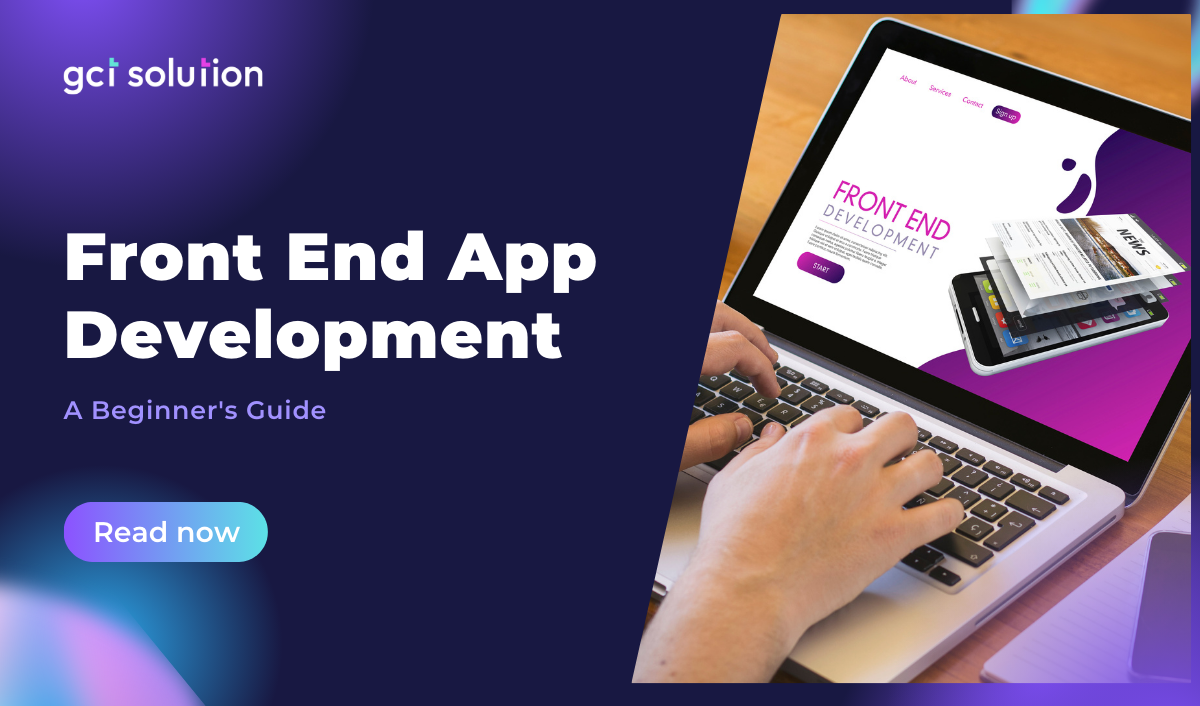
Understand the world of front end app development with expert’s insights from GCT Solution!

Mastering Mobile App Backend Development: A Step-by-Step Guide
Understanding how to develop a backend can significantly enhance your app’s performance, user experience, and scalability.

Top Benefits of an Automated Inventory Management System
Effective inventory management is crucial for maintaining high levels of customer satisfaction and profitability. Attempting to juggle multiple sales channels, storage facilities, and stock levels manually is not only time-consuming but also error-prone, leading to potential stockouts, excess inventory, lost sales, and frustrated customers. An automated inventory management system leveraging artificial intelligence, barcode scanning, and IoT technologies can streamline your operations, providing real-time visibility into your stock levels and automating error-prone tasks like reordering and invoicing. By implementing an automated inventory management system integrated with machine learning, cloud computing, and data analytics capabilities, you can optimize your entire inventory and distribution process. This proactive approach enables efficient tracking across sales channels, improves inventory turnover, and empowers data-driven decision-making, ultimately driving customer satisfaction and growth in an increasingly competitive digital marketplace.

What Is EdTech? A Comprehensive Guide to Education Technology
Educational technology, or EdTech, has become an integral part of modern education. From online courses to sophisticated AI-driven learning platforms, EdTech is transforming the way we learn and teach. This comprehensive guide will explore what EdTech is, its benefits for students and teachers, the challenges it faces, and the latest trends and innovations in the field.

E Learning vs Online Learning: Key Differences Explained
If you're looking to develop education software or enhance your existing educational offerings, understanding the distinctions between e-learning, online learning, and digital learning is crucial. These terms, though often used interchangeably, encompass different methodologies and technologies that can significantly impact the effectiveness of your educational solutions. This article aims to explain these concepts and their unique features, guiding you in selecting the most suitable approach for your business needs. Whether you aim to implement a Learning Management System (LMS), leverage augmented reality (AR) and virtual reality (VR), or create a blended learning experience, this guide will provide the insights to help you stay ahead in the competitive educational technology market.
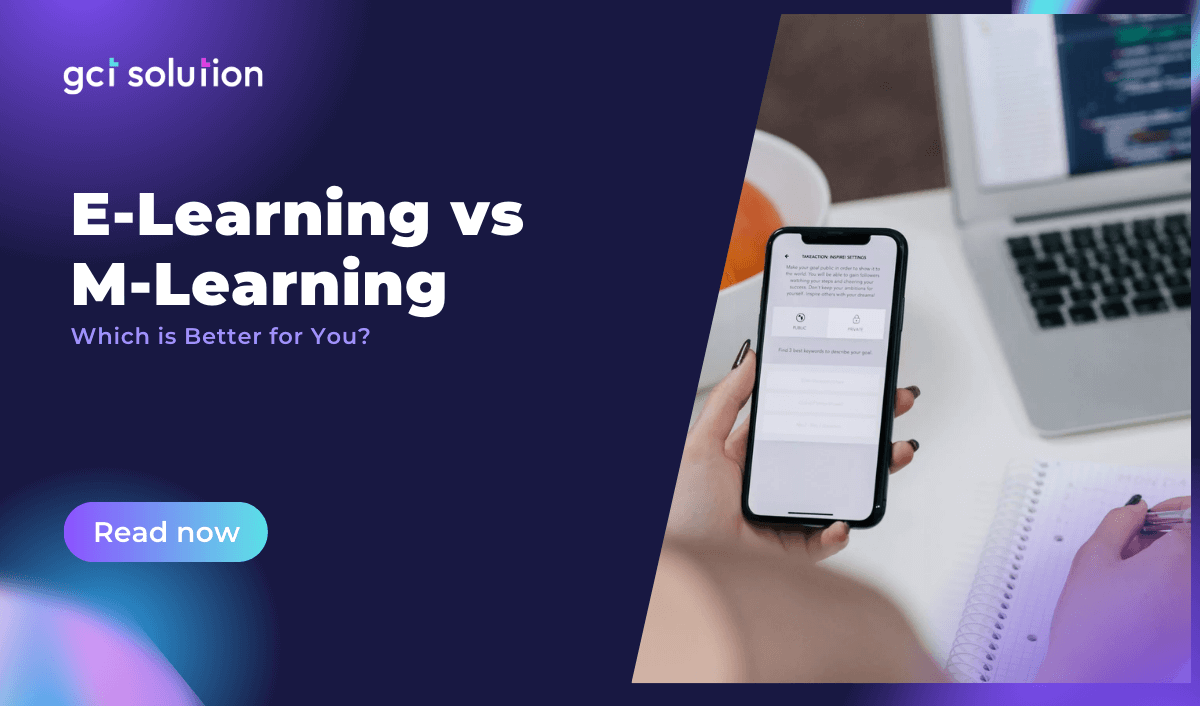
E-Learning vs M-Learning: Which is Better for You?
As technology evolves, so do the methods by which we learn and educate. Two prominent forms of digital education, e-learning and m-learning, have emerged as vital components in the educational landscape. Understanding the differences and similarities between these two methods can help individuals and organizations choose the best approach for their needs. This blog explores e-learning and m-learning in-depth, comparing their characteristics, advantages, and ideal applications.
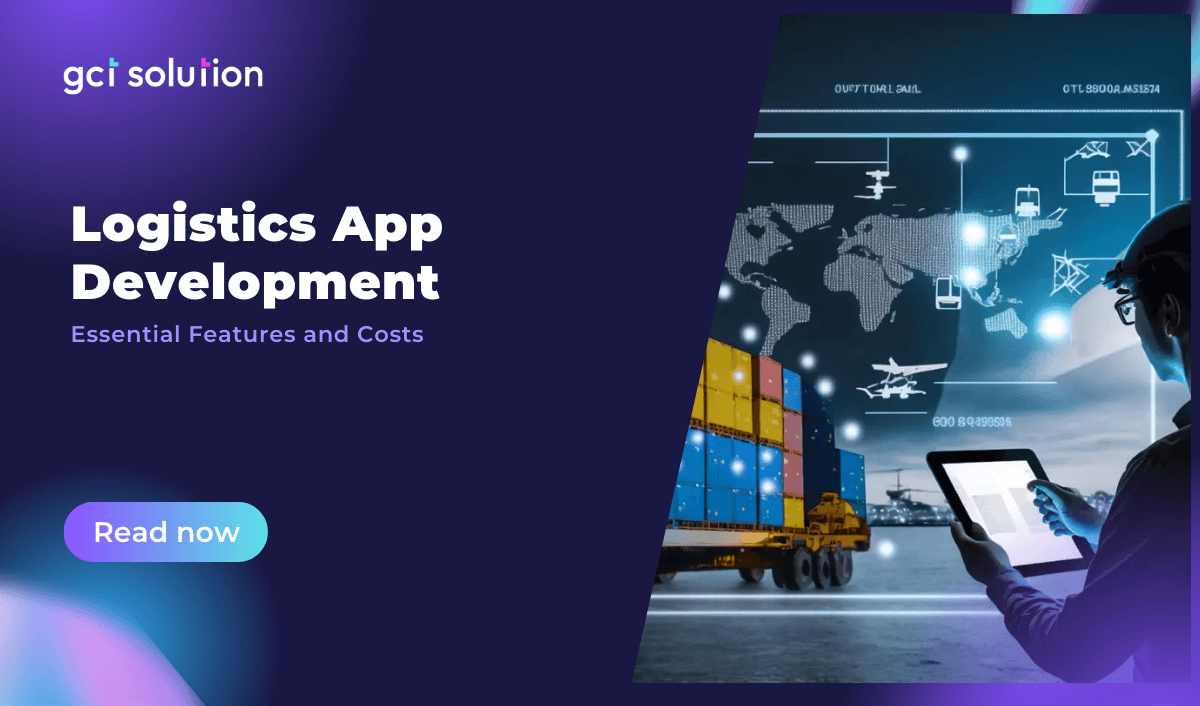
Logistics App Development: Essential Features and Costs
Logistics app development has recently emerged as a solution for companies seeking to streamline operations, improve supply chain management, and boost overall efficiency. With the ability to simplify transportation operations and minimize unpleasant surprises like inventory issues or supply chain disruptions, a well-designed logistics app can transform your logistics business. This guide taps into the world of logistics app development, providing key features, essential technologies, and potential challenges. From user experience design for intuitive interfaces to implementing core functionalities like shipment tracking, barcode scanning, and data analytics, we'll show the elements that make a logistics mobile app indispensable. Additionally, we'll provide insights into the costs associated with logistics app development, empowering you to make informed decisions for your business.

7 Programming Languages for Mobile App Development That Developers Should Know
Mobile app development has become an integral part of our digital landscape, with businesses and individuals alike seeking to create engaging and functional applications for smartphones and tablets. As the demand for mobile apps continues to rise, developers must stay up-to-date with the latest programming languages and frameworks to deliver high-quality, efficient, and user-friendly applications. In this blog post, we will explore seven programming languages that mobile app developers should be familiar with in 2024 and beyond.

The Future of Mobile App Development: 18 Emerging Trends in 2024
The mobile app development landscape is constantly evolving, driven by technological advancements, changing consumer preferences, and the relentless pursuit of innovation. As we look ahead to 2024, several key trends are poised to shape the future of mobile app development. In this comprehensive blog post, we'll explore 18 mobile app development trends that will define the mobile app ecosystem in the coming years.
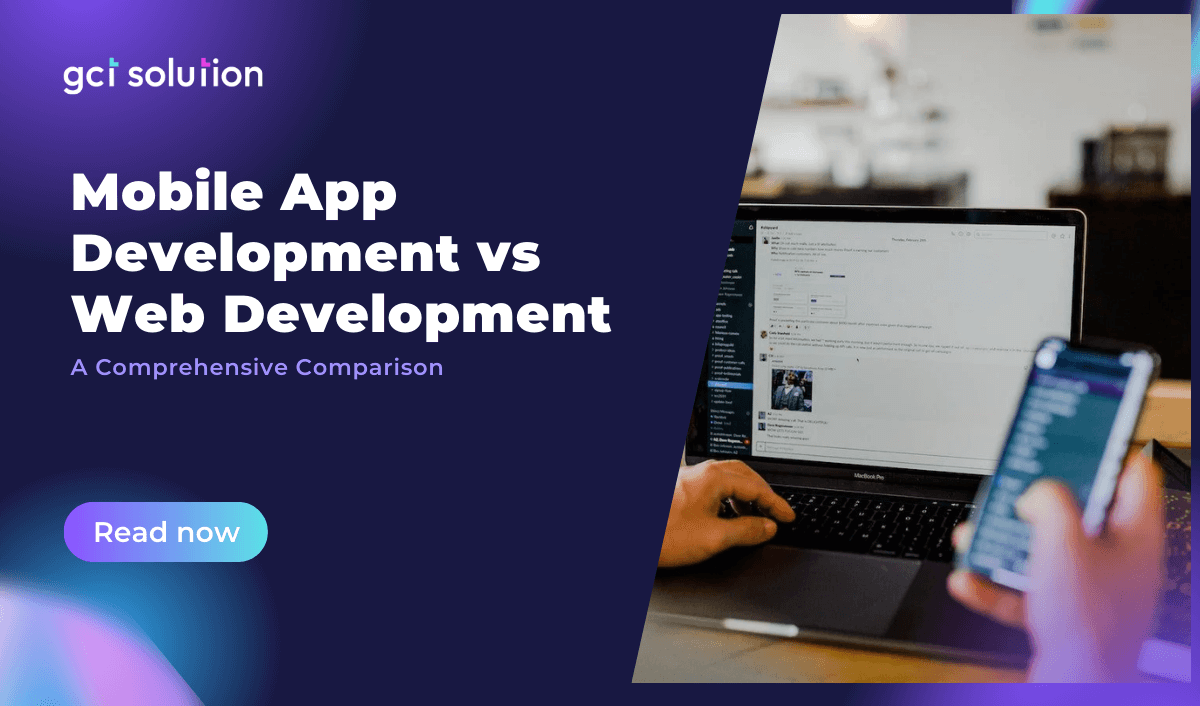
Mobile App Development vs Web Development: A Comprehensive Comparison
The choice between mobile app development and web development plays a crucial role in shaping the success of projects and businesses. According to a recent report by App Annie, global consumer spending on mobile apps reached a staggering $143 billion in 2023, highlighting the immense growth and potential of the mobile app market. As businesses and developers navigate the landscape of digital solutions, understanding the key differences, pros and cons, and guiding principles for choosing the right approach becomes paramount. This blog delves into the intricate world of mobile app development versus web development, exploring the nuances, benefits, and challenges of each approach.